
How Policy Decisions Shape Women’s Science Careers
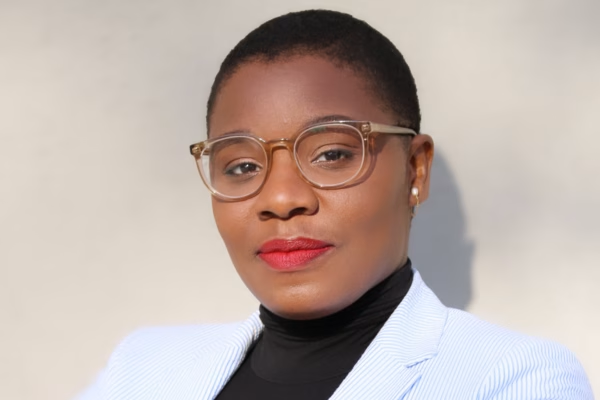
Scientific policy decisions shape who enters, advances, and stays in STEMM careers. Join Dr. Julia Omotade for a conversation on how policy functions not just as governance, but as a powerful force behind funding, training, and career pathways. Participants will gain insight into how policy influences representation, retention, and real-world opportunities—and where they can engage more effectively.
Skills for Disagreeing Better

In this polarized time, we lack basic understanding of why people on the other political side hold their beliefs. Braver Angel Ambassadors led and moderated this workshop with a goal is to spread the message of depolarization by connecting with local community groups.
Flint Water Crisis: 10 Years Later

The Flint Water Crisis was completely preventable, but the perfect storm of poverty, greed, and racism caused those in power to look the other way. Dr. Mona Hanna-Attisha will share how the city is doing now and the lessons learned in the fight for justice.
Lessons from Plants: Insights for Thriving
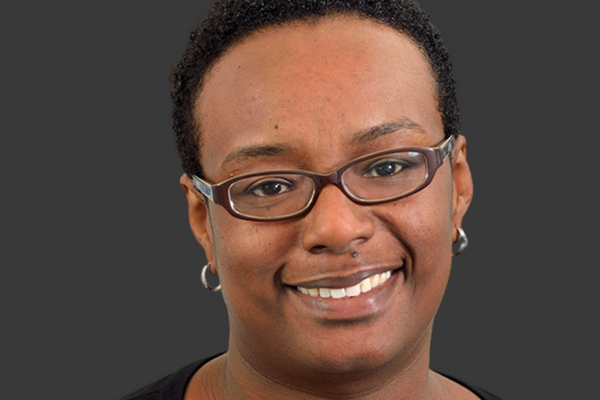
Plants experience a kind of sensation that does not require eyes or ears. Dr. Beronda Montgomery will discuss how plant behavior and adaptation in dynamic environments, as well as the relationships that humans have with plants, can offer valuable and disruptive insights for human thriving.
What to Do When Power Abuse Occurs in Academia (or elsewhere)

This 60-minute seminar and facilitated discussion include definitions and concrete examples of power abuse, harassment, and discrimination as well as what others have successfully been able to do about it. Leave with insights and specific actions on how to drive change.
Taking Action: How Do I Become an Ally?
Racial bias and prejudice can be present in all sectors of business and institutions. Since the uprisings of 2020, many professionals have wondered how to get involved in social justice and anti-racism. If you ever asked yourself, “How do I become an ally,” this webinar is for you.
50th Anniversary Celebration: Dr. Marie Bernard reflects on diversity progress
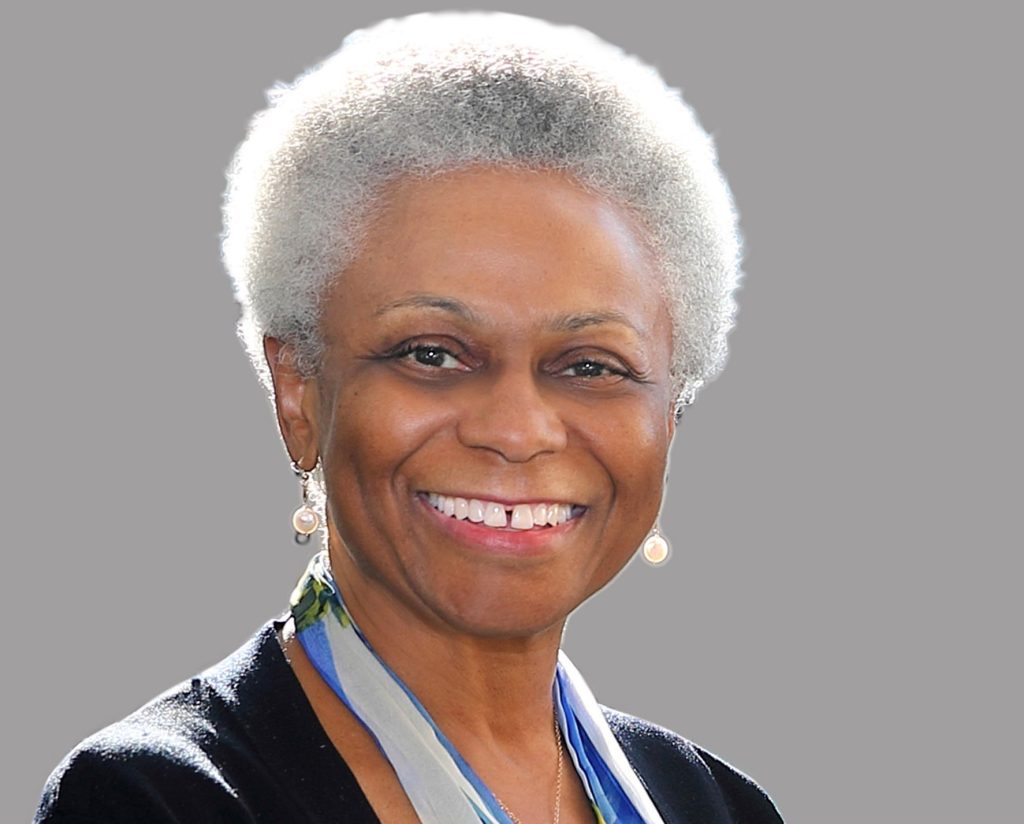
It’s not every day that an organization turns 50. Celebrate this historic milestone and 50 years of AWIS advocacy with featured keynote speaker Dr. Marie Bernard, Chief Officer for Scientific Workforce Diversity at NIH. We also announced the annual AWIS awards recognizing individuals who are making significant contributions to advancing women in STEM.
Hidden Strengths: Disabilities Make Better Scientists
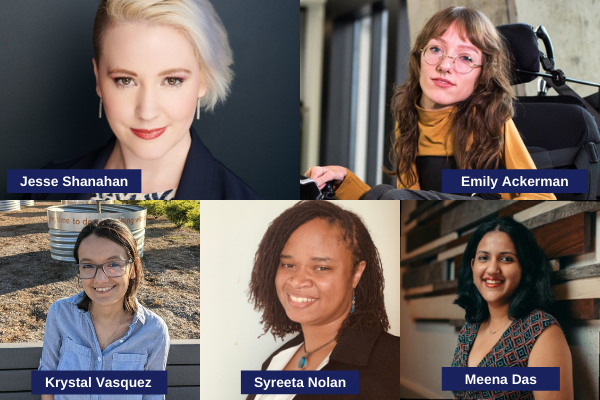
Jesse Shanahan leads a panel as they share why disabilities are actually hidden strengths, how to check your own biases, ways you can support those around you, and how science can be more inclusive. Recommended for industry leaders wanting to support their employees and anyone who wants to become an advocate. Live captioning is available.
Will Federal Grant Requirements to report harassment change behavior?

Policies against sexual harassment have been in place for many years. Congress continues to push agencies to do more to prevent sexual harassment in extramural research settings. Kristen M. Schwendinger will review the current regulatory requirements and reflect on the differences between University action versus action by federal agency.