

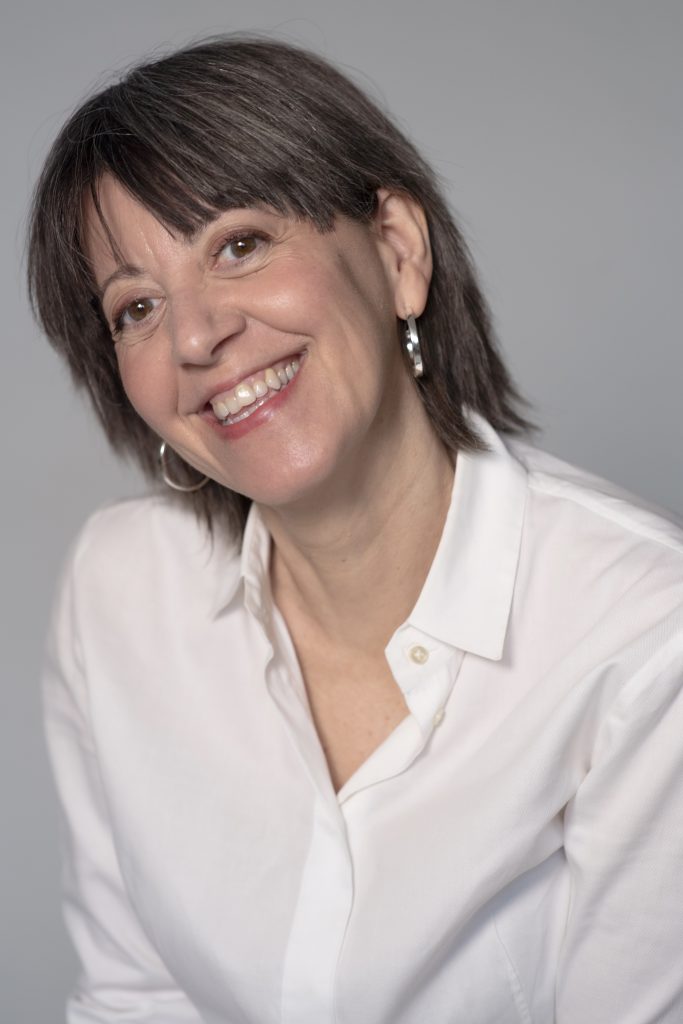
As an Environmental Health Services Site Manager at Merck, Roser ensures research happens safely and sustainably. From handling hazardous materials to minimizing lab risks, she keeps critical systems running behind the scenes.
With dual Master’s degrees in Organic Chemistry and Health and Safety, Roser’s passion for safety began with a lab accident early in her career. Now, she helps scientists push boundaries while staying protected.
What does a typical day in your role look like?
My day starts checking out emails. Something that needs guidance on how this needs to be disposed of, something that needs to be handled following OSHA guidelines, something that is hazardous and a new procedure needs to be written… after a while, a lab walkthrough to check everything is fine. Hazardous waste, chemicals, biological products, instrumentation… and several meetings with different stakeholders to make sure Safety is embedded in our daily basis.
A Sparked Passion for Safety
I hold a MS in Organic Chemistry and a MS in Health and Safety. When in a Research lab, many years ago, a corrosive substance got into my eyes. Before that, I thought Safety was a burden. After that incident, I knew Safety is utterly important. That’s what I want to tell all the employees in the initial training. Looks like Research is of the utmost importance, but this is not true. YOU are the most important. Please follow Safety guidelines.
At 10 years old I wanted to become a princess but at 20 I wanted to cure cancer. So I pursued my MS in Organic Chemistry. The last day of High School I knew I have a deep understanding of what Chemistry means. When I finished my Master’s in Organic Chemistry I realized I need to learn more and more to understand what Chemistry is in real life. Chemistry is the Science that helps us understand what we’re made of. Safety is what allows us to do Science thinking in ourselves.
I interact with several stakeholders in a daily basis to make our environment as safe as possible. Non Research people who make Science possible.
Positive vibes, good friends at work, bonding with others, and knowing Safety is the most important thing when you do Science in the lab.
Safety That Drives Discovery
How has your work or research helped drive discovery, innovation, or impact?
As a Researcher I started a project with lactic acid. As an Environmental, Health and Safety Manager, I team with Researchers for them to conduct their Researcher in a safe way. Research is the pursuit of life, of amazing discoveries. It makes us close to the unknown, it makes us to believe in the unimaginable. Safety is what makes this unimaginable possible without getting hurt.
What is your proudest achievement in your career so far?
The smile of Researchers when they see me in the corridor. The “good day, Roser” from Lab Services when I enter the shipping room, the statistics of non incidents during our monthly meetings, the thank you emails from several stakeholders, the quick response from others. And achieving the ISO 45001.
The Power of Science and Community
What does the power of science and community mean to you?
Science is about discovering our world. Science is learning every day, is to make hypothesis and trial and error, and wake up again and again until you get a result that can improve our world. Worth a try!
How has science shaped your sense of community—and how has community supported your journey?
Without my Master’s in Organic Chemistry I wouldn’t have all my experiences, both in the lab and personally, that define me as a person.
To a Future Scientist Just Starting Out
What advice would you give to someone just starting out in your field?
Enjoy. Never stop learning, but from people more than books, but from experience more than theories.
What message would you share with future scientists about the power they hold to make a difference?
Never give up. Stay strong. If you have some path you want to follow, do it, no matter what the world tells you. Make yourself the owner of your path.
What would you tell your younger self about your STEM journey?:
It’s worth the try. Research is not an easy path. You must be constant, consistent, hard-worker. But it’s completely worth the path.