
Before I outline my path from nerdy kid to scientist, and from project manager to professor, as well as describe my current role as a scientific leader in the cannabis industry, I want to say this to all of you looking for a little career inspiration: be curious, care, and don’t be afraid to take your shot. You never know what could happen.
As a kid, I didn’t have dreams about becoming a scientist, I never met a scientist in real life, and I had no idea what they did—except for being supervillains in cartoons. Although I grew up in a single parent, low-income family without this career-relevant understanding, my first nerd “phenotypes” started revealing themselves around age ten. My twin sister, Megan, and I would stay up late in anticipation of Star Trek: The Next Generation. I loved the show, the discoveries, and the science-based problem-solving. Now, THAT was a future I could get into! Unfortunately, I was born about 400 years too early, but that didn’t stop a spark from igniting something deep within me: a passion to understand life in all its forms. Here on Earth, it started with my love of animals and a fascination with nature. It manifested at home, which was always full of pets, creatures (some hidden from our landlord), and specimens collected from the nearby creek. With this drive and focus, I started excelling in school and graduated high school as valedictorian.
Thanks to some great teachers and to a super supportive mom, I was able to go to college at the University of Nebraska at Omaha on a full-ride scholarship to pursue a degree in biology. As an undergrad, I got my first experience with the trials and tribulations of research, and I’m not going to lie, it was hard! There were no answers at the back of the book, professors who were experts in the field shrugged at my results, and I wondered if the questions would ever end! Even though it could be discouraging, the little tastes of discovery fueled and propelled me into graduate school at the University of Nebraska Medical Center.

In my second year of graduate school, I had to switch labs unexpectedly after being warned by senior graduate students of unethical scientific conduct encouraged by our advisor. Later I found out that my first graduate advisor’s house had been raided by the FBI, and to this day it is unclear why he is under investigation. Needless to say, he is no longer is a professor. Thankfully, I transferred into Dr. Paul Dunman’s lab studying pathogenic bacteria, and within a year, our entire lab moved 1,000 miles away from Nebraska—my home and my entire support system—to the University of Rochester in upstate New York.
Graduate school is already full of ups and downs normally, under the best of circumstances, but these early perturbations in my scientific journey knocked me well out of my comfort zone and made me doubt myself and my ability to continue. In hindsight, these challenges gave me the opportunity to explore different labs and perspectives, to find my support groups in these new spaces, and to help me build grit and determination. As I progressed in graduate school, these experiences and connections with others built a foundation that became the core to my success.
Along the way, I continued to develop my research skills and peer into the scientific unknown. In the lab, I investigated a potential new class of antibiotics and had the opportunity to collaborate with pharmaceutical companies. I also expanded my interests to music and science communication, helping to round out my technical “hard” skills by synergizing these “soft” skills.
After graduate school, I took a research position at the University of Colorado Boulder and became involved in several advocacy groups on campus to promote the advancement of women, postdocs, science outreach, and inclusion. I focused on new ways to grow and complement my skills in the lab, classroom, and kitchen. I sought out training in leadership, management, and crucial conversations. I could run a beautiful Northern Blot, and I could also teach RNA transcription to a 12-year-old through an interactive board game that I built for outreach. I founded the Science Communication Symposium through the Women in Science and Engineering (WiSE) Group (an AWIS affiliate), bringing diverse scientists and the general public together for inspirational science and career talks that got participants thinking outside of the box. I also started a fermented foods company with my husband, Derek, who was a brewer at the time. We combined our microbe-wrangling skills to promote beneficial microbiomes through delicious foods, meaning that most Friday evenings were sauerkraut-shredding date nights.
My advocacy work, entrepreneurial spirit, and passion to make science fun and approachable led to my next position as the Associate Director of Education at an NSF Science and Technology Center. It was there where I finally put my diverse skills and talents to use, based on a strong mission and good leadership, to build programs that promoted diversity, science education, and skill development for kids, undergraduates, and postdoctoral researchers.
Program building is also what led me to my next role as an associate professor. I was recruited to expand the Human Health and the Environment Program, and I loved teaching, building new interactive learning tools, and getting to know my students. Unfortunately, I also saw flaws at the college, including sexism and racism in the highest ranks, and my time there ended abruptly after being retaliated against for challenging toxic behaviors.
Up until this point, I’d thrived in an academic environment for close to 30 years. Being in the academy was part of my identity and self-worth. I just took a giant leap and was in free fall, waiting to touch down, overwhelmed with the question, “What do I do now?”
My advice to anyone in this situation: take time for self-evaluation and self-care if you can. Reach out to your friends, your counselor, and your family. Look back at the stepping stones that have led to where you are now and appreciate how far you’ve come. What has motivated you? What environments have made you feel fulfilled and energized? Look at the possibilities with curiosity instead of with the anxiety that can come with the unknown. You will find a place to land, and you will be all right. After all, you’ve come this far already!
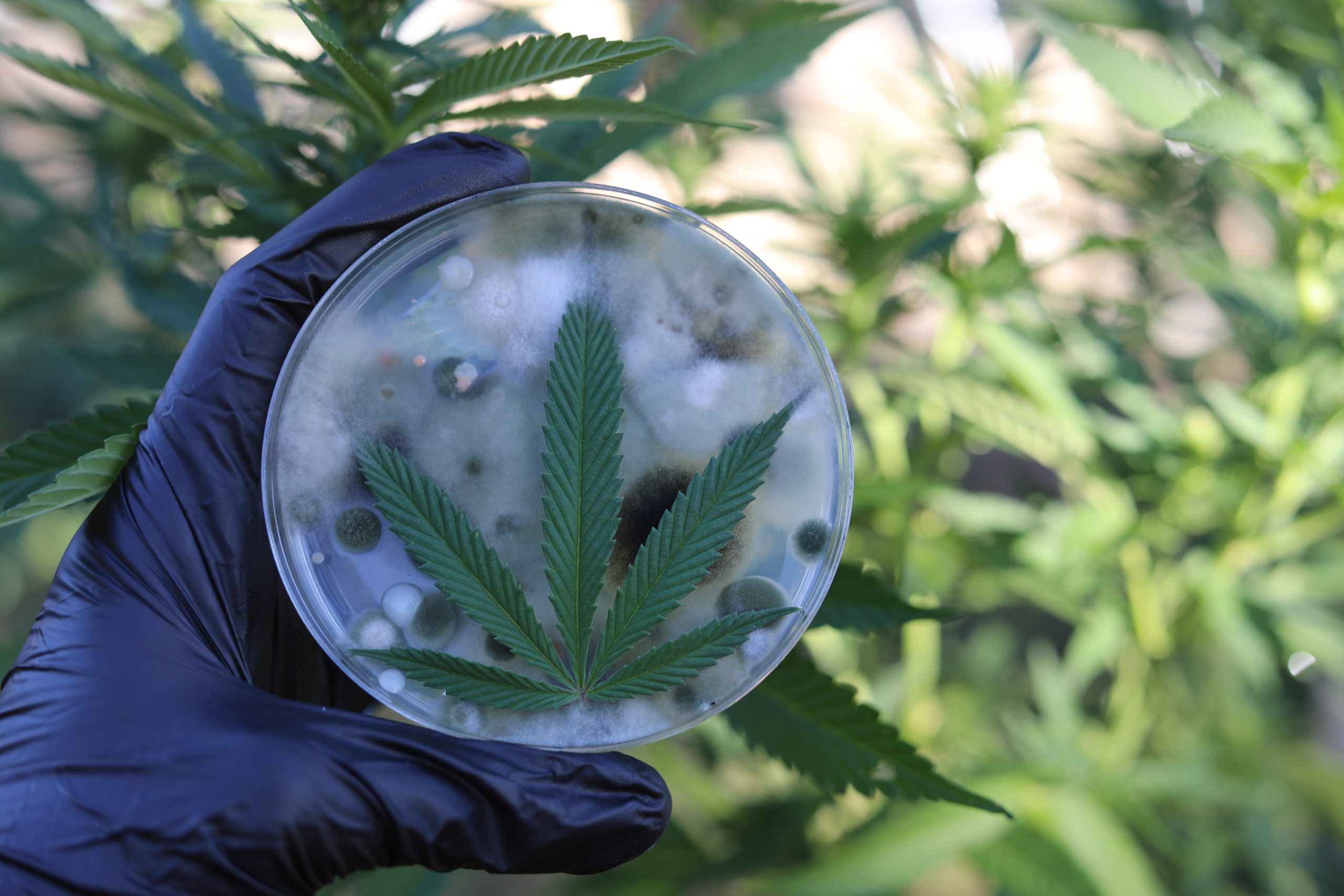
Well, I did land: right into the cannabis industry. It has been nothing short of the Wild West, but I’ve found that I thrive in this space, where overlapping fields, backgrounds, and experiences collide. For example, I have used my chemistry and drug-discovery background to extract and purify cannabinoids and terpenes, and my project management skills to bring new products to market, improve processes, and build systems to monitor efficiency while manufacturing cannabis products. My communication skills have come in handy while liaising with state health departments, third-party testing labs, and cultivators to help everyone understand the patchwork of state compliance requirements and scientific methods. My microbiology skills have been paramount to establish quality control methods, enabling cannabis manufacturers to “seek and destroy” microbial contaminants before they get a foothold on plant-derived flower products, protecting consumers from pathogens and the manufacturer’s brand from recalls.
Currently, I run my own consulting company, Rogue Micro LLC, where I work with cannabis and fungi cultivators to help them overcome microbial challenges that can put their consumers and company at risk. I travel to visit their facilities, get to know their pain points, and build action plans. I also work with scientific organizations, state regulators, quality companies, and testing labs to help set standards, validate methods, and bridge the gap between these stakeholders.
It’s rare to draw a straight line to success. Our journeys are unique and take us down winding roads. There are many things you can learn in a classroom or a laboratory, but innovation doesn’t happen until diverse experiences and technical skills crash into the “real world,” pushing you to address challenges and meet needs. My experience with innovation is that you keep putting one foot in front of the other, surround yourself with people who share your values, keep trying stuff, and care: care about the big picture and the outcome, care about the people involved, and care about how you achieve your goals. When those secret ingredients have combined in my life, that’s when I have really felt that I’ve found success. So, if you haven’t lately, dare yourself to try something new to get out of your comfort zone. You won’t regret it!
 Dr. Tess Eidem earned her PhD discovering potential new antibiotics against bacterial pathogens, owned and operated a fermented foods company with her husband, Derek Staebell, and got her start in the cannabis industry by working in manufacturing and quality management. At her company Rogue Micro LLC, she is motivated to help cultivators overcome microbial challenges by sharing her knowledge and experience in science, food, agriculture, advocacy, and entrepreneurship.